
How to Make a Simple Bushcraft Camp Without Power Tools

Disclaimer:
The information provided in this blog post is for general informational purposes only. It is not intended as professional advice and should not be relied upon as such. Always consult with qualified professionals and local authorities before engaging in any outdoor, survival, or homesteading activity. Use caution and exercise personal responsibility when working with tools, fire, wild foods, or unfamiliar environments. The author and publisher assume no responsibility or liability for any injuries, damages, or losses that may result from the use or misuse of the information provided here. Participation in outdoor activities is done at your own risk.
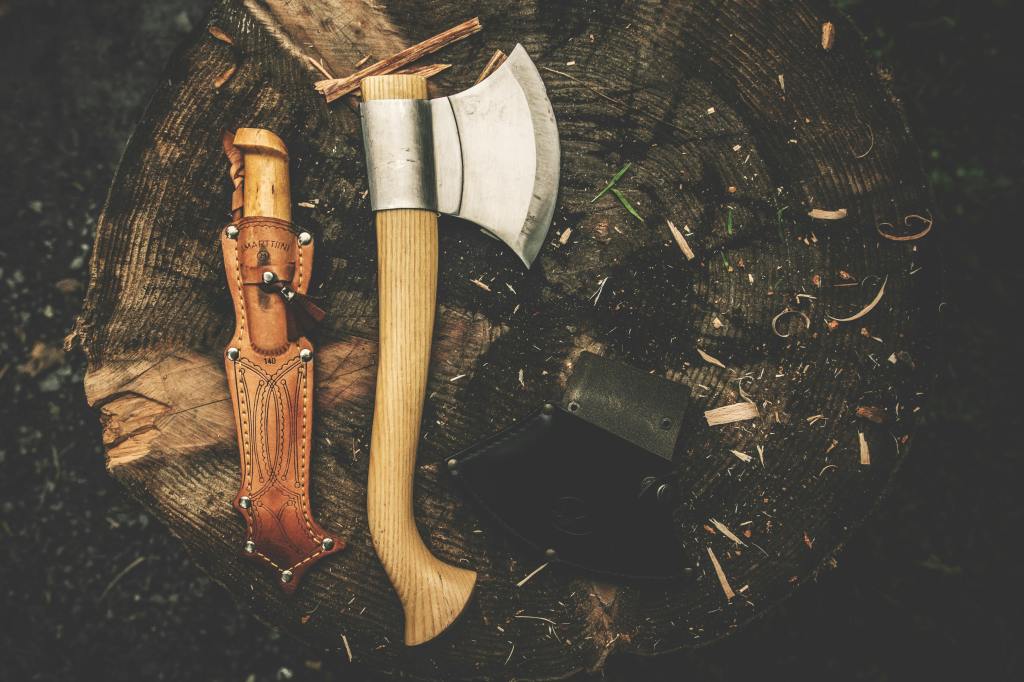
Building a small bushcraft camp doesn’t need to be complicated or expensive. You don’t need to pack in a pile of gear or haul a generator out into the woods. If you’ve got a sturdy knife, a hatchet, and some patience, you’ve already got what you need to get started.

The goal here isn’t to build something fancy. It’s to set up a basic shelter and work area that gives you cover from the weather and a spot to rest, cook, or get yourself together. Done right, it teaches you a lot about the land, your tools, and your own limitations.

Start with location. Look for a spot with natural windbreaks, some tree cover, and dry ground. Avoid low areas that collect water when it rains. Pick a place near a good supply of downed limbs and deadwood so you don’t waste your energy dragging logs from half a mile away. If camping under trees, always search the area for widowmakers. These are dead or unstable branches that can fall without warning, especially in wind or under the weight of snow. They’re dangerous because they can cause serious injury or death if they fall on someone, hence the grim nickname.

Your first shelter doesn’t need to be more than a simple lean-to. Use a ridgepole balanced between two forked sticks, or lash it to two trees if you have the material to do so. Stack smaller limbs against one side at an angle, then layer it with leaves, bark, or pine or cedar boughs to help block wind and rain. You can make a raised bed out of logs and cover it with grass or pine needles to keep off the cold ground. Remember, a ruffage bed should be as thick as your arm is long to keep your body heat from leaving into the ground too quickly.

For a fire area, clear a space down to bare dirt. Circle it with stones if you have them. Use a small tripod made from branches to hang a pot, or lay some stones in or around where the fire will be to rest a pan. It’s not fancy, but it works.

Keep the tools simple. A strong fixed-blade knife and a hatchet are enough to cut, split, shape, and notch what you need. If you know how to tie a few strong knots (start with bowline, it’s easy and super useful) and use some cordage wisely, you can do a lot more than folks think. The more you work without modern tools, the more you figure out how to make what you have do double duty.

The real value of building this kind of camp isn’t just having a place to sit. It’s the practice. You start to understand how wood behaves, how weather hits a certain slope, and how fire reacts to wet air or dry sticks. You learn how to make do and how to keep things simple. That’s the kind of skill that sticks with you.

Don’t feel like you have to disappear for a week to try this. Start in the backyard. Try setting up a lean-to and a small fire ring if your local ordinances allow. Spend an evening out there. You’ll see what works and what doesn’t, and you won’t be far from dry clothes or clean water if something goes sideways.

The more you do this, the less gear you find yourself packing. You begin to understand the value of a good stick, a dry patch of ground, and a sharp edge. That’s what bushcraft is really about; working with the land, not against it.
Building a Camp Fire That Lasts

Disclaimer: This blog post is for general information and community sharing. Fire can be dangerous if not handled responsibly. Always follow local fire laws and burn bans, and consult a trained professional or local authority if you’re unsure.

A campfire seems like the kind of thing anyone should be able to build. Toss some wood in a pile, light a match, and enjoy, right? But if you’ve ever watched your fire fizzle out after five minutes—or smoked yourself out before it even caught—you know there’s a little more to it.

In this post, we’re going to walk through how to build a fire that actually works. One that burns clean, stays lit, and keeps you warm all night if you need it.


1. Start with a Solid Base

Don’t build your fire on damp ground or right on top of grass. If possible, dig down a few inches to mineral soil or lay down a base of dry bark or rocks. This keeps moisture from creeping up into your fire and snuffing it out before it starts.

If you’re in a wet area, building a platform out of sticks or a couple flat stones helps a lot too.


2. Understand the Three Layers

Every good fire has three parts: tinder, kindling, and fuel wood.

  • Tinder: Super dry and very small. Think dry grass, cattail fluff, bark shavings (cedar or cottonwood work well in Kansas), or even dryer lint in a pinch. You want enough to catch a spark or flame and hold it for a few seconds.
  • Kindling: Pencil-thin sticks, no thicker than your pinky. These catch from the tinder and raise the heat enough to light the bigger stuff.
  • Fuel wood: Your logs and thicker branches. These should be dry, seasoned if possible, and broken down to manageable size.

The biggest mistake most folks make is skipping straight to fuel wood. That’s how you get a smoky mess that never catches.


3. Build a Structure That Breathes

There’s no one “right” way to structure a fire, but there are a few go-to methods that tend to work:

  • Teepee: Arrange kindling in a cone with tinder in the center. As the flames rise, they catch the upper layers. Good for quick cooking or warmth.
  • Log cabin: Stack kindling and small logs in a crisscross pattern, forming a square around the tinder. It burns a little slower and creates a nice coal bed.
  • Lean-to: Great in wind or wet. Prop sticks against a larger piece of fuel wood that’s angled over the tinder like a roof.

Whichever structure you choose, remember: fire needs air. Leave room for airflow so the flames can climb and grow.


4. Light It Like You Mean It

Use a lighter, matches, or a ferro rod if you’re going old-school. Don’t waste your flame—aim it right into the heart of the tinder, and shelter it with your hands if the wind’s up. Blow gently as needed, but don’t smother it. It should start small, flickering and crackling, then grow steadily.

Keep your kindling close by so you can feed it as soon as it catches.


5. Feed It Right, Don’t Smother It

Once the kindling’s going, add larger pieces of fuel wood bit by bit. Don’t throw on a huge log right away—it’ll rob the fire of oxygen and smother the flame.

Think of it like tending a baby animal. You’ve got to nurture it, build it up gradually, and give it what it needs to grow strong.


6. Stick Around and Tend It

No fire keeps itself going forever. You don’t have to hover, but check it now and then. Shift the wood so it burns evenly, feed it before it gets too low, and keep safety in mind. A small shovel or a bucket of water close by is just good practice.

And when you’re ready to put it out, drown it completely. Stir the ashes, feel for heat, and make sure it’s cool to the touch before you leave.


There’s something ancient and honest about building a fire from scratch. It’s not just survival—it’s comfort, community, and a little bit of wild magic. Practice it in safe conditions, and you’ll carry that confidence with you into the woods.