Disclaimer: This blog post is for general information and community sharing. Fire can be dangerous if not handled responsibly. Always follow local fire laws and burn bans, and consult a trained professional or local authority if you’re unsure.
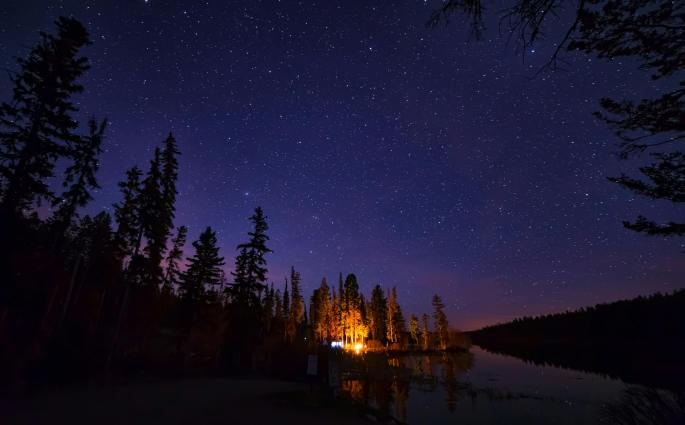
A campfire seems like the kind of thing anyone should be able to build. Toss some wood in a pile, light a match, and enjoy, right? But if you’ve ever watched your fire fizzle out after five minutes—or smoked yourself out before it even caught—you know there’s a little more to it.
In this post, we’re going to walk through how to build a fire that actually works. One that burns clean, stays lit, and keeps you warm all night if you need it.
1. Start with a Solid Base
Don’t build your fire on damp ground or right on top of grass. If possible, dig down a few inches to mineral soil or lay down a base of dry bark or rocks. This keeps moisture from creeping up into your fire and snuffing it out before it starts.
If you’re in a wet area, building a platform out of sticks or a couple flat stones helps a lot too.
2. Understand the Three Layers
Every good fire has three parts: tinder, kindling, and fuel wood.
- Tinder: Super dry and very small. Think dry grass, cattail fluff, bark shavings (cedar or cottonwood work well in Kansas), or even dryer lint in a pinch. You want enough to catch a spark or flame and hold it for a few seconds.
- Kindling: Pencil-thin sticks, no thicker than your pinky. These catch from the tinder and raise the heat enough to light the bigger stuff.
- Fuel wood: Your logs and thicker branches. These should be dry, seasoned if possible, and broken down to manageable size.
The biggest mistake most folks make is skipping straight to fuel wood. That’s how you get a smoky mess that never catches.
3. Build a Structure That Breathes
There’s no one “right” way to structure a fire, but there are a few go-to methods that tend to work:
- Teepee: Arrange kindling in a cone with tinder in the center. As the flames rise, they catch the upper layers. Good for quick cooking or warmth.
- Log cabin: Stack kindling and small logs in a crisscross pattern, forming a square around the tinder. It burns a little slower and creates a nice coal bed.
- Lean-to: Great in wind or wet. Prop sticks against a larger piece of fuel wood that’s angled over the tinder like a roof.
Whichever structure you choose, remember: fire needs air. Leave room for airflow so the flames can climb and grow.
4. Light It Like You Mean It
Use a lighter, matches, or a ferro rod if you’re going old-school. Don’t waste your flame—aim it right into the heart of the tinder, and shelter it with your hands if the wind’s up. Blow gently as needed, but don’t smother it. It should start small, flickering and crackling, then grow steadily.
Keep your kindling close by so you can feed it as soon as it catches.
5. Feed It Right, Don’t Smother It
Once the kindling’s going, add larger pieces of fuel wood bit by bit. Don’t throw on a huge log right away—it’ll rob the fire of oxygen and smother the flame.
Think of it like tending a baby animal. You’ve got to nurture it, build it up gradually, and give it what it needs to grow strong.
6. Stick Around and Tend It
No fire keeps itself going forever. You don’t have to hover, but check it now and then. Shift the wood so it burns evenly, feed it before it gets too low, and keep safety in mind. A small shovel or a bucket of water close by is just good practice.
And when you’re ready to put it out, drown it completely. Stir the ashes, feel for heat, and make sure it’s cool to the touch before you leave.
There’s something ancient and honest about building a fire from scratch. It’s not just survival—it’s comfort, community, and a little bit of wild magic. Practice it in safe conditions, and you’ll carry that confidence with you into the woods.
 The Terra Tactica Outfit