
Disclaimer: Always check your local ordinances, zoning laws, and HOA regulations before starting any homesteading activities. What’s allowed can vary widely between towns, neighborhoods, and counties. Additionally, some skills and practices—such as food preservation, tool use, or rainwater collection—require proper training to be done safely and legally. Take the time to learn from qualified sources, attend workshops when possible, and seek guidance from experienced practitioners. Safety and compliance are just as important as self-reliance.
Living in town doesn’t mean you have to give up on the homesteading dream, just shift your focus. If your local ordinances don’t allow chickens, goats, or other traditional livestock, there are still plenty of ways to build resilience, reduce dependency, and reconnect with your food and environment.
Start with the soil
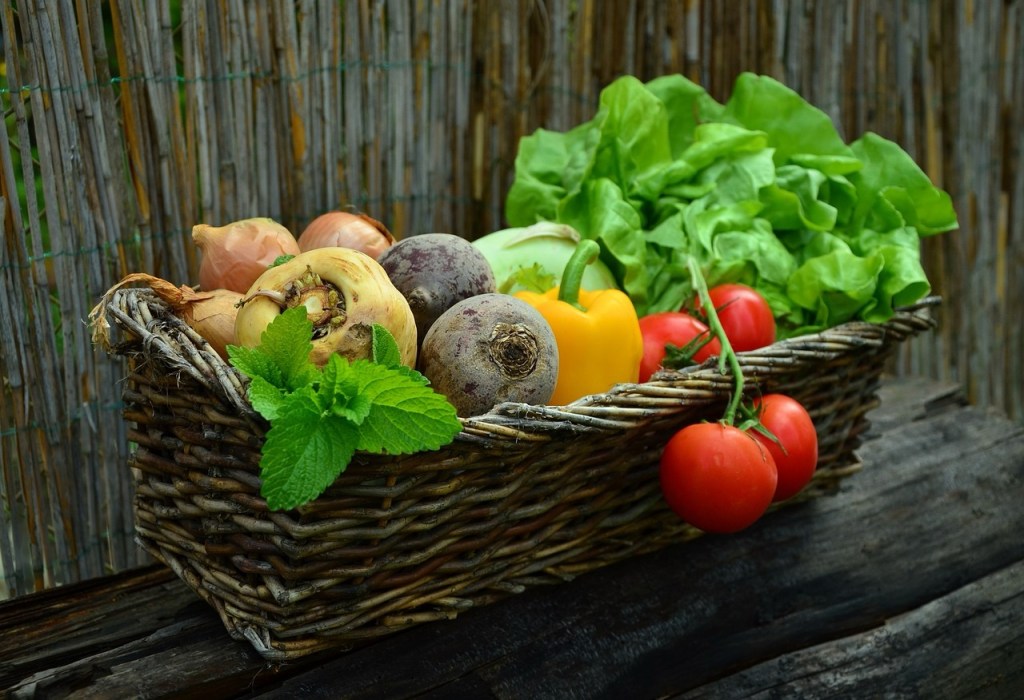
Even a small yard or patio can become productive. Focus on container gardening, raised beds, or vertical setups along fences or walls. Grow high-yield crops like tomatoes, peppers, lettuce, and herbs. Root vegetables and leafy greens also do well in limited space and can grow in deep containers.
Compost smart
Without animals to provide manure, you’ll need to be intentional about compost. Kitchen scraps, leaves, grass clippings, and even shredded paper can build healthy soil over time. A small tumbler composter or DIY pallet bin works great in town.
Preserve what you grow (and buy)
Canning, dehydrating, and fermenting let you stretch your harvest or farmer’s market finds through the year. Water-bath canning is beginner-friendly, and a basic dehydrator opens up a world of food storage options without a root cellar.
Harvest water
Rainwater catchment systems are often allowed even when animals aren’t. Use barrels under your gutters to collect water for your garden. Check local laws, but most towns allow some form of rainwater storage for non-potable use.
Practice kitchen self-sufficiency
Homesteading isn’t just about what’s outside. Learn to bake bread, make broth, grow sourdough starter, and cook from scratch. These habits build the foundation of a self-reliant home and stretch your food budget.
Barter and build community
If you can’t raise animals yourself, someone nearby probably does. Trade your extra produce, homemade goods, or skills for eggs, meat, or milk. Join local gardening groups or start one if there’s none in your area.
Focus on skills
Learn to sharpen tools, mend clothes, sew by hand, and preserve food. These timeless skills are the backbone of homesteading and they require no animals or acreage at all.
You don’t need a flock to live more deliberately. With a little creativity and a lot of grit, homesteading in town is possible.


 The Terra Tactica Outfit