Disclaimer: This post is for informational purposes only. Always use knives and carving tools responsibly. Practice in a safe environment, especially if you’re new to bushcraft. Supervised instruction is always a good idea when working with blades.
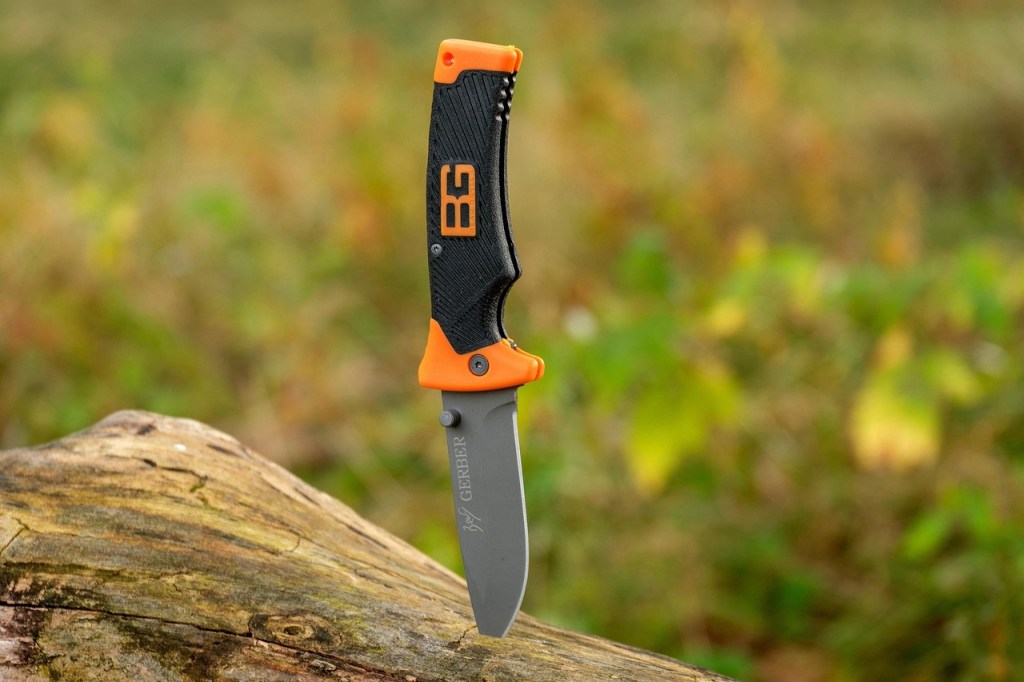
Carving a try stick is one of the first things you should do if you want to get better at bushcraft. It’s simple, doesn’t take much time, and teaches a lot more than it seems at first.
A try stick is just a practice stick. You take a branch about the length of your forearm and carve or baton notches into it. These notches are the same ones you’d use to make a fire pit hook, trap, shelter joint, or cooking rig. Each one helps you learn how to control your knife, how wood behaves under the blade, and what kind of cuts work best.
Start with a square notch. It’s useful when you need two pieces of wood to fit together without sliding. Then try a pot hook notch, which can hold a kettle over a fire. A V-notch is good for holding cordage. You might also shape a pointed end like a stake or carve a peg that can hold a guyline. You don’t need to carve every kind in one stick, but trying a few different ones will give you a feel for the work.
You’ll figure out how to stop a cut before it splits the wood, how to slice without tearing fibers, and how to control the depth and angle of each stroke. Over time, that kind of control becomes second nature, which makes your other bushcraft work faster and cleaner.
Use any decent knife and a stick from around the yard. Dry wood works well because it won’t gum up your blade, but green wood is easier to shape if you’re just starting out. Sit somewhere quiet, maybe near a fire pit or in the garage, and take your time. There’s no rush and no wrong way to learn. If the notch doesn’t come out clean, just try again. The next stick is free.
Practicing at home like this is safer than heading into the woods with a knife you’ve barely used. There’s less pressure and you can repeat things without the stress of cold weather or bad light. It’s also a good way to build hand strength and learn how different woods respond. Cedar cuts like butter but splits easy. Oak is tough and takes more effort. Each species teaches something different.
If you want to get into bushcraft, this is where to start. You don’t need a course or a guide. You need a stick, a knife, and a quiet place to practice. The try stick doesn’t look like much when it’s done, but it holds hours of learning in every cut.
 The Terra Tactica Outfit