
Disclaimer: This blog post is for informational purposes only. Always follow proper food safety procedures and consult a trusted resource or local extension office when learning new food preservation methods.
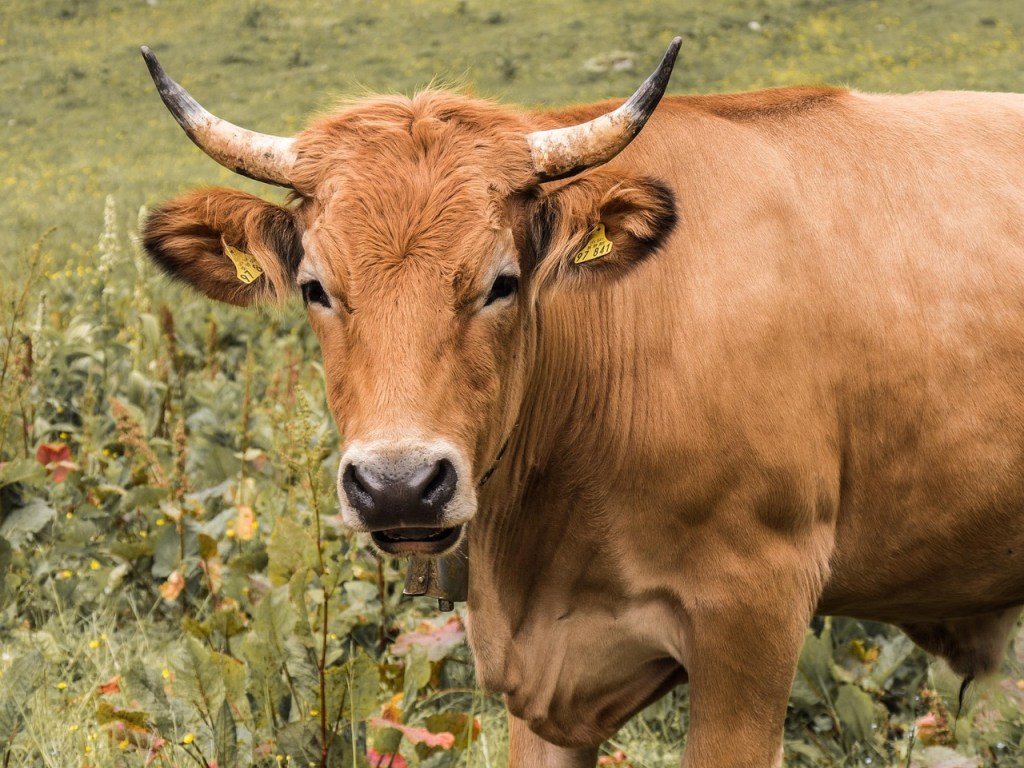
Tallow is one of those nearly forgotten old-time staples that’s making a quiet comeback among homesteaders and outdoorsfolk. It’s simply rendered beef fat, slow-cooked down into a clean, shelf-stable fat that you can use for all sorts of things—from cooking to soap making to waterproofing gear.
What Is Tallow?
Tallow comes from suet, the hard fat found around a cow’s kidneys. You can also use regular beef fat trimmings if that’s what you have. When slowly melted down, strained, and cooled, it becomes a creamy, off-white solid that stores well and has a long shelf life.
Why Make It?
It’s versatile, long-lasting, and a great way to use up scraps that might otherwise go to waste. Tallow is high in saturated fat, which gives it excellent stability at room temperature. That makes it a useful fat for high-heat cooking and for making homemade goods that need to resist spoilage.
It’s also a step toward self-reliance. If you’re butchering animals at home or buying in bulk, you can turn fat into a resource rather than a byproduct.
How to Render Tallow
You don’t need fancy equipment. A crockpot works great.
Chop the fat into small pieces. Trim off as much meat and gristle as you can. Put it in a slow cooker on low, with the lid off to let moisture escape. Stir occasionally and cook for several hours until the fat is melted and the remaining bits (called cracklings) are browned. Strain through cheesecloth or a fine mesh strainer into a clean mason jar. Let it cool. It will go from golden liquid to white solid.
That’s it.
Storing Your Tallow
Once rendered and strained, tallow doesn’t need refrigeration—though it’ll last even longer if you do refrigerate it. At room temperature in a sealed jar, it’ll keep for about 3 months. Keep it in a dark, cool pantry, and always use clean utensils to scoop some out.
What You Can Use It For
Cooking: Great for frying, sautéing, or seasoning cast iron. It has a high smoke point and a mild flavor.
Soap making: Old-school lye soap often used tallow as a base.
Candles: Burns clean and steady, though not as fragrant as modern wax blends.
Leather care: Rub it into boots or belts to condition and waterproof.
Metal tools: Helps prevent rust.
Skin balms: Combine with beeswax and essential oils for a simple, nourishing salve.
Final Thoughts
Tallow isn’t just for the diehard traditionalist. It’s a practical, no-nonsense skill that turns scraps into something valuable. It keeps well, has dozens of uses, and fits right into a homestead lifestyle—especially if you like to use everything and waste nothing.
Got some beef fat? Don’t toss it. Render it. Don’t have it? Ask your local butcher.
 The Terra Tactica Outfit