Disclaimer: Always train with proper instruction. Field conditions can change fast, and gear alone won’t save you. Learn your limits, test your gear, and never stop practicing.
A lot of people lump “bushcraft” and “survival” into the same bucket. And while they overlap, they’re not the same thing. If you don’t know the difference, you could be training the wrong way for the wrong reasons — or packing the wrong gear when it matters most.
Let’s break it down.
Survival: Urgency, Efficiency, Getting Out Alive
Survival is about staying alive when things go wrong. It’s urgent, uncomfortable, and usually short-term. You’re wet, cold, tired, hungry — and trying to make it back home or stay alive long enough for help to reach you.
Skills like:
Building a fire fast, even in the rain Finding and purifying water Making a temporary shelter with whatever’s on hand First aid with minimal gear Staying calm and making smart decisions when it’s hard to think
Survival isn’t about making things look good. It’s about doing what works, now — even if it’s ugly. You’re burning calories and time, and the clock is always ticking.
Bushcraft: Patience, Craft, Living with the Land
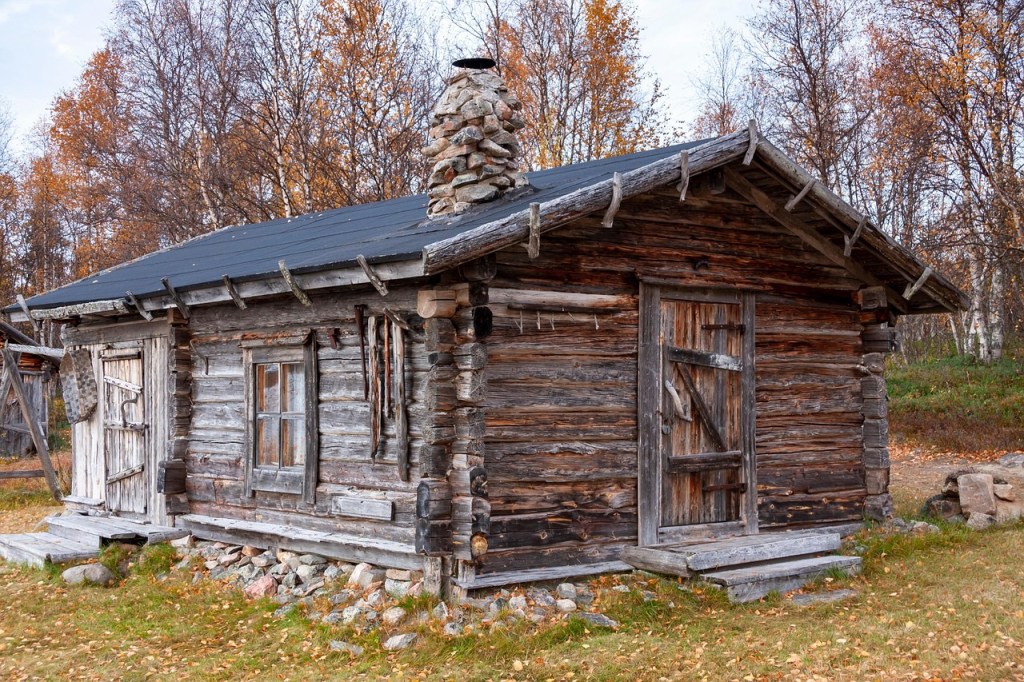
Bushcraft is different. It’s not about getting out of the woods — it’s about learning to live in them. You’re not in crisis. You’re working with the land, taking your time, and using natural materials to create long-term solutions.
Bushcraft involves:
Carving tools, stakes, and traps Cooking over a fire you built with your own bow drill Crafting shelters from natural materials Identifying plants and trees by use Making cordage from roots, bark, or sinew
Where survival is about speed and efficiency, bushcraft is about technique, resourcefulness, and comfort over time.
Why the Difference Matters
If you’re trying to survive a winter night in the woods with no gear, this is not the time to practice carving spoons or building a debris hut from scratch. And if you want to truly understand your environment, packing freeze-dried meals and a GPS will only take you so far.
Both are valuable. But they serve different goals. If your focus is emergency readiness, you should train for survival — fast fires, quick shelters, lightweight gear, solid fitness, clear priorities. If your interest leans toward skill-building and a deeper connection with nature, lean into bushcraft — but don’t confuse it for a survival plan.
Final Thought: Master Both, but Know Which One You’re Practicing
The best practitioners train for both. You build your survival mindset to respond under pressure. You sharpen your bushcraft skills to understand the land and use less gear. Just make sure you know which one you’re doing — and don’t count on slow skills to save you in a fast-moving emergency.
 The Terra Tactica Outfit