
Disclaimer:
This article is meant for general information only. Every garden is different depending on your location, soil, and climate. Talk to a local gardening expert if you want advice for your specific area.
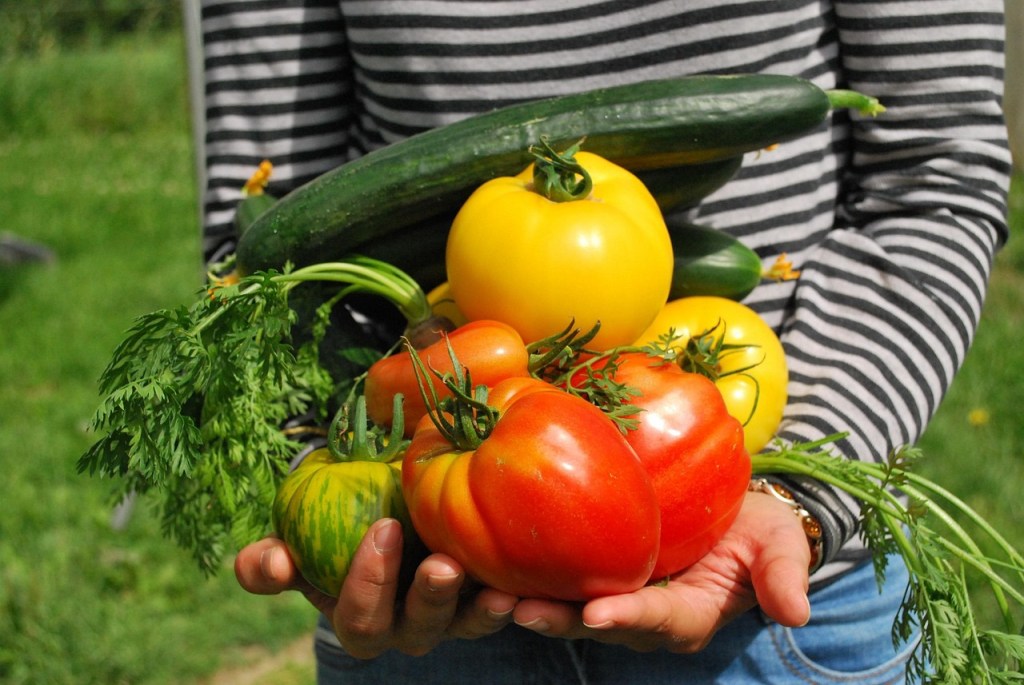
There is something special about walking outside and picking fresh vegetables you grew yourself. You do not need a huge yard or years of experience to start a garden. A little patience and a willingness to learn go a long way.
Here are some simple tips to help you get started:
1. Choose a Good Spot
Vegetables need plenty of sunlight. Try to find a place that gets six to eight hours of sun each day. You also want to be close to a water source. Stay away from places where water tends to collect after it rains.
2. Start Small
It is easy to get excited and want to plant everything at once. Beginning with a small garden will give you a better chance of success. Pick a few vegetables you like to eat and focus on growing those first.
3. Prepare the Soil
Good soil is key. Loosen it with a shovel or garden fork and mix in compost or aged manure if you can. The soil should feel loose and rich when you run it through your hands.
4. Pick Easy Vegetables
Some plants are easier for beginners. Good choices include: Lettuce, radishes, green beans, zucchini, and tomatoes.
These grow fairly quickly and do not need a lot of extra care.
5. Water the Right Way
Plants usually need about an inch of water each week. It is better to water deeply once or twice a week than to sprinkle a little every day. Deep watering encourages stronger roots.
6. Keep Weeds Under Control
Weeds steal nutrients and water from your vegetables. Pull them by hand when they are small. You can also put down straw or leaves around your plants to keep weeds from growing and to help the soil stay moist.
7. Watch for Pests
Look at your plants often to catch problems early. Sometimes picking off bugs by hand is enough. Other times you might want to use natural methods like spraying a little soapy water on the leaves or planting flowers nearby that attract good bugs.
8. Use a Planning Tool
Planning your garden can feel overwhelming at first, especially if you are not sure when to plant each vegetable. I recommend trying the Seedtime app. It helps you plan out your season based on your local frost dates. It shows you when to start seeds, when to transplant, and when to harvest. I am not affiliated with Seedtime, I just find it helpful and easy to use.
Starting a garden is a journey. Some things will go right, some things will not. Every season teaches you something new. Keep learning and enjoy the process. Before long, you will have a yard full of food you can be proud of.
 The Terra Tactica Outfit