Disclaimer: This blog post is for general interest and informational purposes only. It is not professional advice or training. Outdoor skills involve real risk, and it’s important to receive hands-on instruction and follow all local laws and safety guidelines before heading into the wilderness.
Bushcraft isn’t about having all the gear in the world. It’s about knowing how to use the right things in the right way. A good daypack isn’t a bug-out bag or a military loadout—it’s lean, purposeful, and lets you move freely through the woods.
If you’re heading out for a few hours to practice your skills or just wander the timber, here’s a solid list of what to keep in your bushcraft daypack.
1. Cutting Tool
No piece of gear gets more use. A fixed-blade knife is ideal—look for something full tang, sturdy, and easy to sharpen. A small folding saw is also a good idea if you’ll be harvesting wood. Leave the giant machete at home unless you’re clearing brush.
Recommended: Mora knife, Bahco Laplander folding saw
2. Fire Kit
Always carry more than one way to start a fire. Even if you don’t plan on building one, having the option can save your bacon.
Pack at least:
- Ferro rod and striker
- Bic lighter or stormproof matches
- Homemade fire starters (cotton + petroleum jelly or wax cups)
Keep everything in a waterproof container or tin.
3. Water and Purification
You don’t need to carry a gallon, but you do need a plan. A metal bottle lets you boil water. Add a backup like iodine tablets or a small filter if you expect to stay out longer or forage for water.
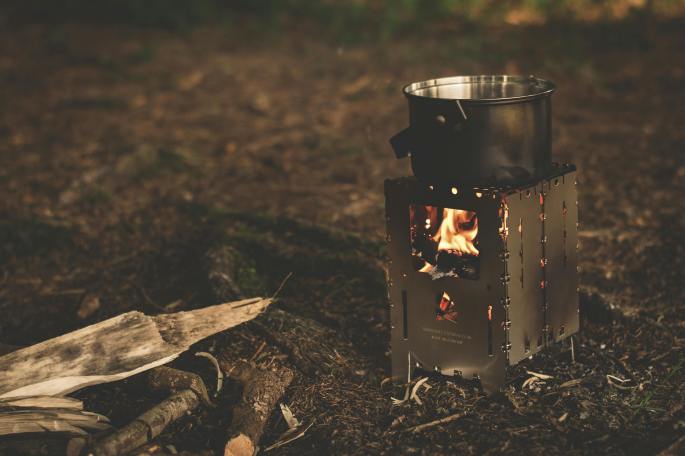
Tip: Nest your bottle in a stainless steel cup for boiling and cooking.
4. Shelter Basics
Even on a short trip, weather can turn fast. A basic tarp or emergency blanket weighs next to nothing and could be a lifesaver.
Include:
- Tarp or space blanket
- Paracord or bank line
- A few stakes or sticks
With a little know-how, this is enough to build a quick lean-to or windbreak.
5. Cordage
Never underestimate how handy cordage can be—setting traps, building shelter, hanging food, repairing gear. You don’t need 200 feet, but a few lengths of 550 paracord or #36 bank line go a long way.
6. Navigation Aids
If you don’t have a good sense of direction, get one. Until then:
Carry:
- Map of the area
- Compass
- Grease pencil or small notebook
Phones are great, but bushcraft assumes you may not have service or power. Know how to use that compass before you leave home.
7. First Aid Kit
Keep it basic, but don’t skip it. Cuts, scrapes, and burns happen often when you’re working with fire and steel.
Suggested contents:
- Bandages and gauze
- Antiseptic wipes or salve
- Tweezers
- Ibuprofen or aspirin
- Tape
8. Food
Just a snack or two is fine—jerky, nuts, dried fruit, hard cheese. Enough to keep your energy up if you stay longer than planned.
If you want to cook, add:
- Small pot or nesting cup
- Collapsible tripod or hanger (like you already use)
- Spoon or spork
9. Lighting
Don’t count on making it back before dark. A small flashlight or headlamp with extra batteries is worth its weight every time.
10. Gloves & Bandana
Work gloves keep your hands from getting shredded when gathering wood or carving. A bandana does a dozen things: water pre-filter, sling, sunshade, dust mask, even a makeshift pouch.
Keep It Light, Keep It Smart
Your daypack should stay under 10–15 lbs loaded. It’s not a mobile gear closet. The best loadout is the one that doesn’t get in your way—and that you actually practice with. Run drills. Set up a tarp. Build a fire with your kit. Get used to making do with less.
Bushcraft is half skill, half preparation. What you carry is only as useful as what you know how to do with it.
 The Terra Tactica Outfit