Disclaimer: This blog post is for general informational purposes only. It’s not a substitute for hands-on training or expert advice. Always consult a trained survival professional before relying on any wilderness water purification methods.
There’s something grounding about being out in the woods with nothing but the basics. But no matter how off-grid you want to go, staying hydrated isn’t optional—it’s essential. The challenge? Most of the water you’ll find in the wild isn’t safe to drink as-is.
Even the clearest stream could carry harmful bacteria, parasites, or runoff from upstream. That’s why purifying your water isn’t just a good idea—it’s a survival priority. Here’s a practical breakdown of how to do it safely and effectively when you’re out in the wild.
1. Start With the Cleanest Source You Can Find
Before you do anything, look for the cleanest water possible. Flowing water is better than stagnant. Springs, fast-moving creeks, or water dripping from rocks are ideal. Avoid water with visible algae, foam, or discoloration. The less debris and contaminants to deal with, the easier it’ll be to purify.
If you have a cloth or bandana, use it to filter out dirt and debris before any purification. Even coffee filters or a shirt sleeve can work in a pinch.
2. Boiling – The Gold Standard
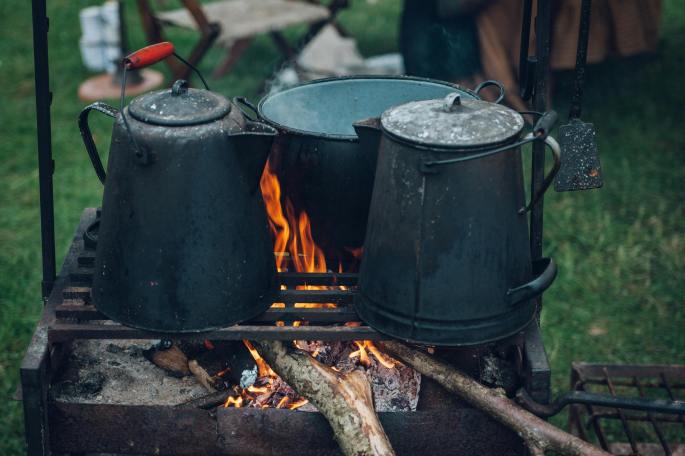
If you’ve got a metal container and a way to make fire, boiling is hands-down the most reliable way to kill pathogens. Bring water to a rolling boil for at least one full minute. If you’re at an elevation over 6,500 feet, boil it for three minutes, since water boils at a lower temperature at higher altitudes.
Boiling kills bacteria, viruses, and parasites like Giardia and Cryptosporidium. Just remember—it doesn’t remove chemical pollutants or heavy metals, so don’t boil from sources near farmland, roads, or industrial sites.
3. Solar Disinfection (SODIS)
This method is surprisingly effective when you’ve got sunshine, time, and clear plastic bottles. Fill a clean, clear PET plastic bottle (like a soda bottle) with filtered water and lay it flat in direct sunlight for at least six hours—longer if it’s cloudy.
The UV rays from the sun kill many of the common pathogens found in wild water. It’s not foolproof, but in a pinch, it’s a decent backup if you don’t have fire or a filter.
4. Charcoal + Sand Filter (Improvised Option)
You can make a basic filter with a container (like a plastic bottle or hollowed stick), layers of crushed charcoal, clean sand, and small gravel. The water flows through the layers, which helps remove sediment and some impurities. This does not purify the water, but it pre-filters it before boiling or disinfecting.
Think of it as stage one. It clears out the big stuff so your main purification method can do its job more effectively.
5. Store-Bought Filters (If You Have One)
If you’re headed into the woods with a bit of gear, a portable water filter (like a Sawyer Mini or LifeStraw) is a solid investment. These remove bacteria and protozoa, and many of them can screw directly onto bottles or pouches. Some models also filter out viruses and chemicals—but always check the specs.
Filters do have a lifespan, so track how much water you’ve run through them and clean or replace as needed.
A Word on Chemical Purifiers
You can purify water with iodine tablets or chlorine drops, but they require precise dosing, and not everyone tolerates the taste (or the chemicals themselves). They’re lightweight and easy to carry, so they make a good backup, but not a long-term solution.
Final Thoughts
When it comes to wild water, don’t take chances. Just because you can’t see anything wrong with it doesn’t mean it’s safe. Boil if you can, filter when you must, and always aim for the cleanest source available. Your health out there depends on it.
Wilderness survival isn’t about macho posturing or pushing your limits for the sake of it. It’s about learning how to live with the land—safely, humbly, and with a deep respect for the risks and rewards that come with it.
If you want to try these methods in real time, consider joining up with others who are learning the same way. Skills get sharper when shared.
 The Terra Tactica Outfit